For uneven metal surfaces
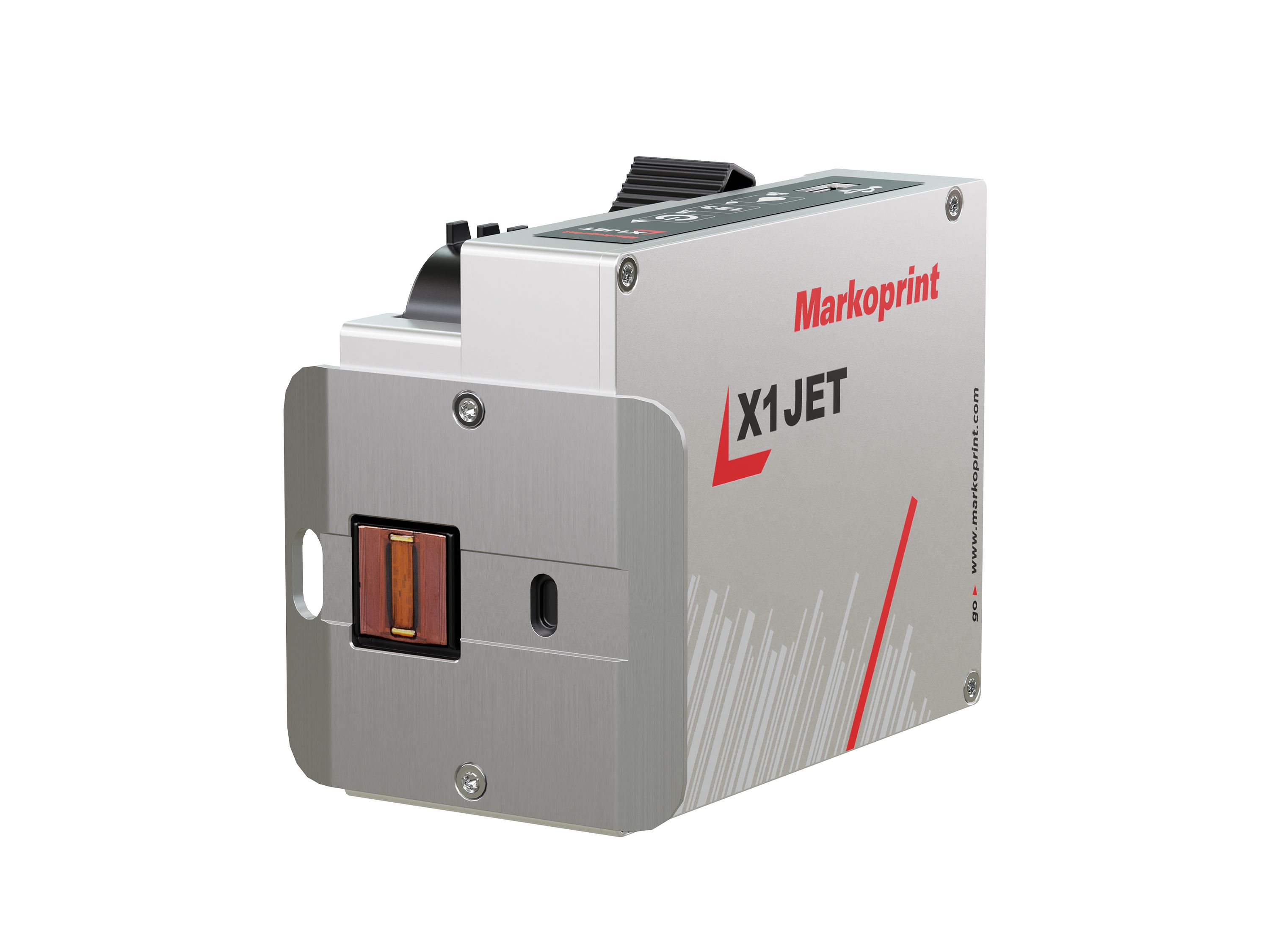
Regardless of the shape of your product, our non-contact inkjet printing technology marks reliably, even on uneven or concave surfaces.

You have currently selected the following location:
Now switch to the following location:

In the metal industry, components of all sizes, tools and nameplates are made from stainless steel or steel, aluminium, iron and other metals and alloys. However, this non-absorbent material is also used in many other sectors, for example in the construction and automotive industries and in medical technology. As a packaging material, tinplate is mainly processed into cans, lids, crown caps and screw caps. Whether untreated or anodised, painted or coated: We offer efficient marking systems for every metal surface - both labels and ink achieve optimum results. We help you select the right system and check what the marking needs to achieve during the life cycle of the product or component. On metal in particular, the labeling must be durable, razor-sharp and precise. Errors are particularly expensive here and can be avoided from the outset with a reliable system. Whether your products will be further processed at a later date and come into contact with oil or chemicals, for example, is also included in our personal consultation.
Regardless of the shape of your product, our non-contact inkjet printing technology marks reliably, even on uneven or concave surfaces.

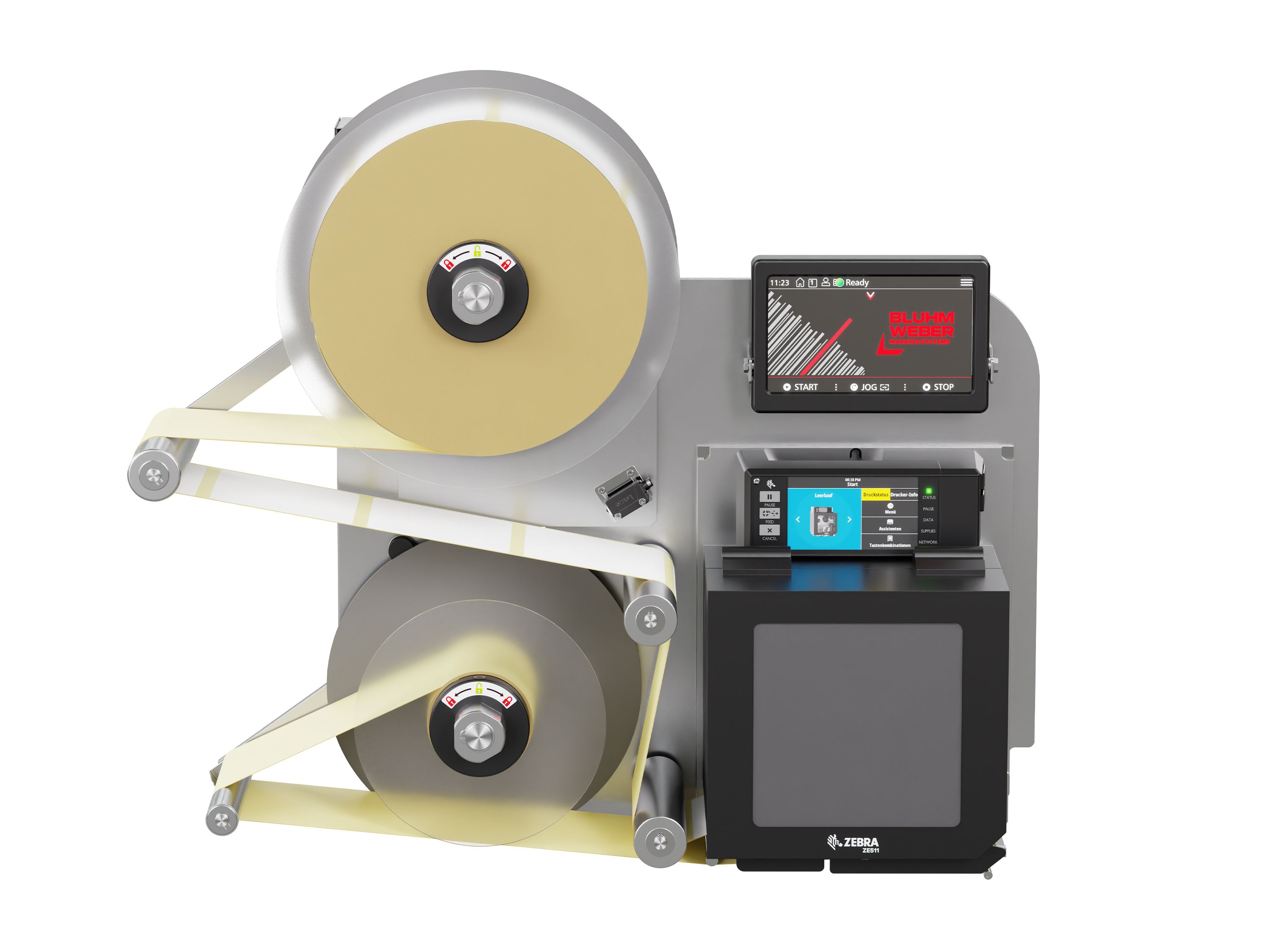
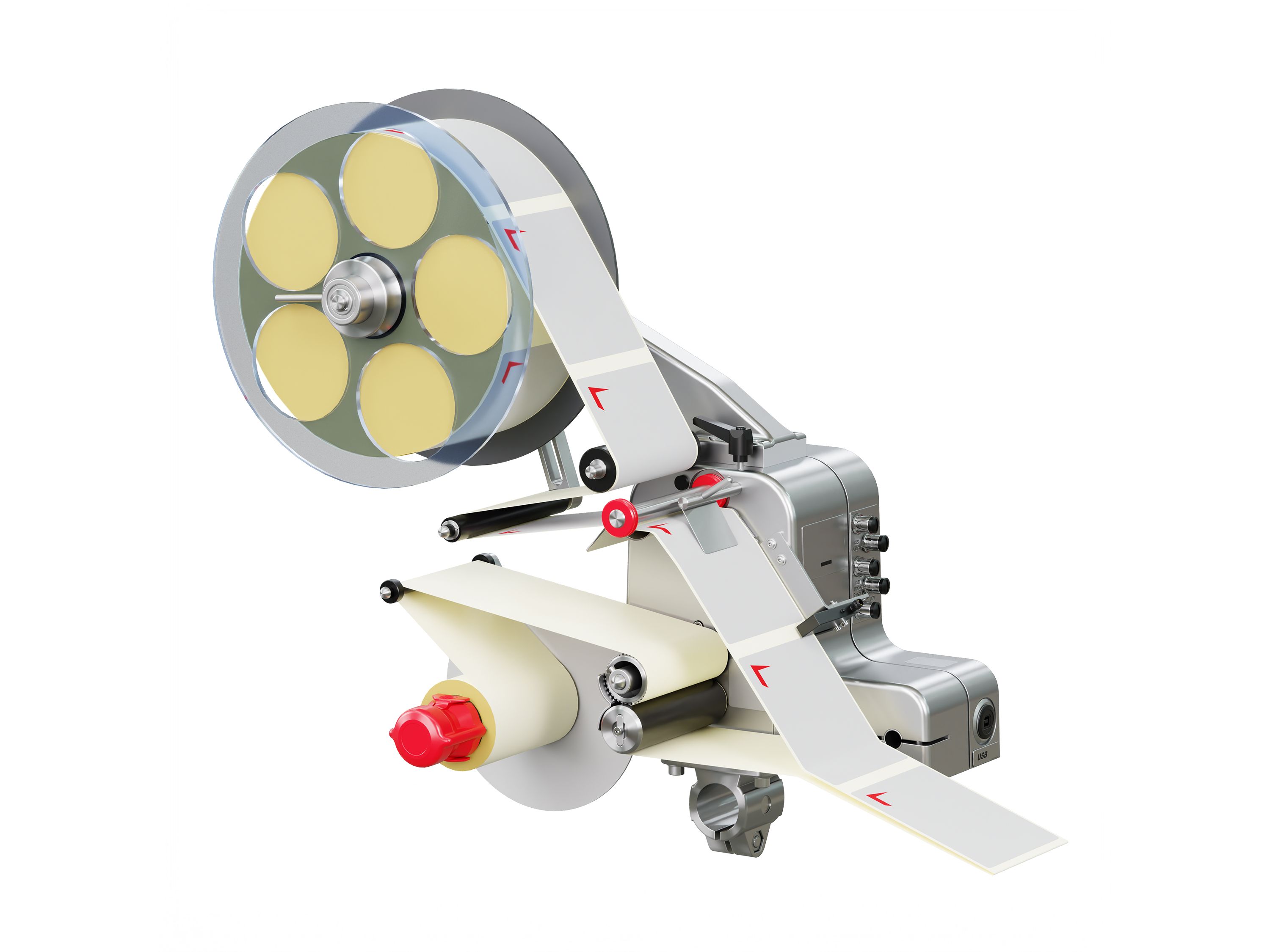
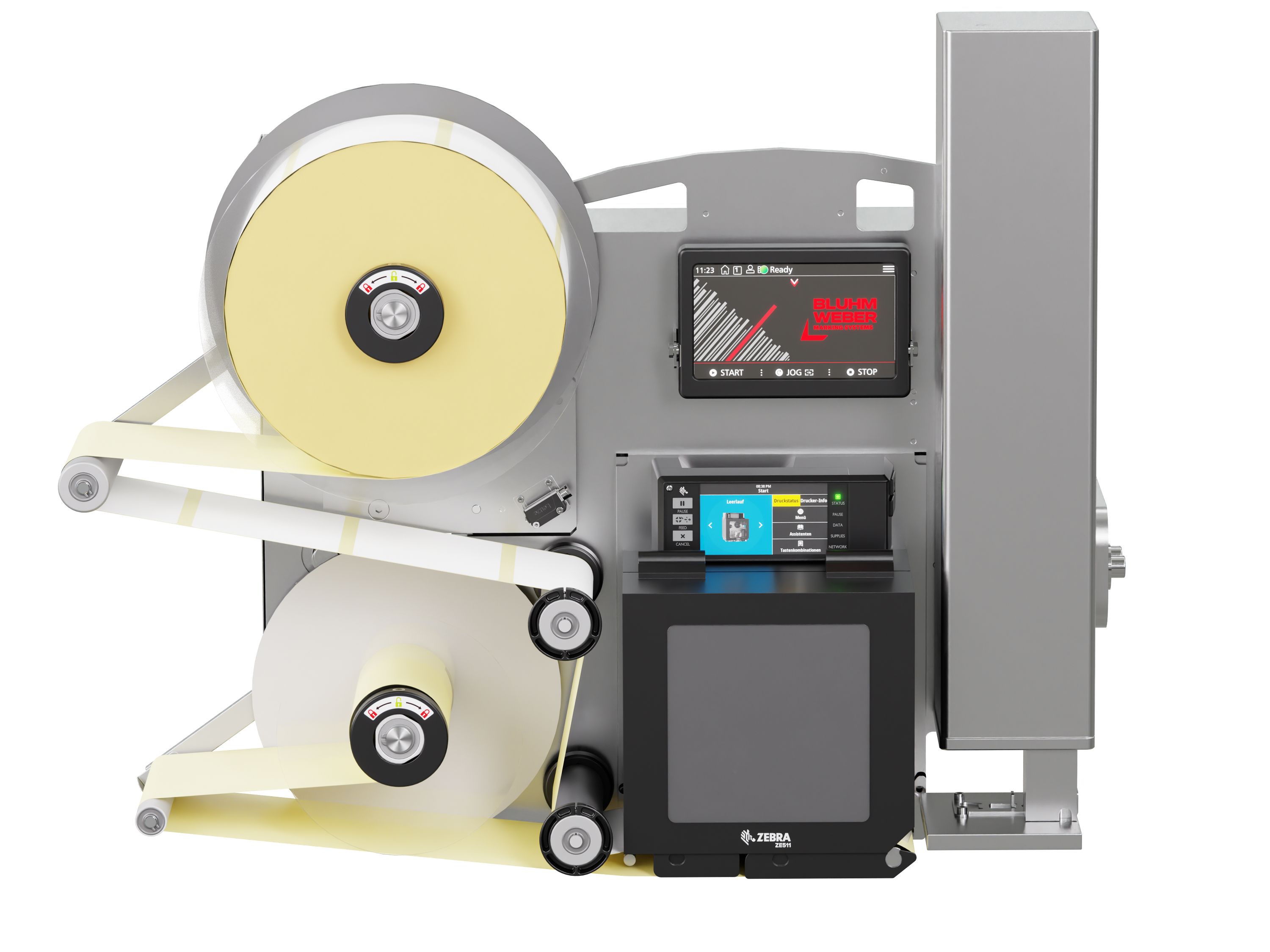
Our automatic labeling systems apply all label formats to metal surfaces. They also process particularly large formats, such as hazardous substance labels for drum labeling, and can be connected to industrial robots.

Our robust coding technology is designed for industrial environments and heavy-duty use. The coding on metal is abrasion-resistant and durable, even when exposed to heat, cold, moisture or possible vibrations.

We can provide you with customised and automated labeling systems and software for integration into new and existing production lines.

Moin robotics GmbH, based in Tornesch near Hamburg, is a specialist in robot integration in manufacturing and intralogistics. The experts at moin robotics developed a robotic labelling system for a chemical industry group that labels IBCs (intermediate bulk containers) and drums for technical waxes fully automatically. Four labelling systems and…

BASF manufactures additives, among other things, at its site in Lampertheim. BASF has relied on Bluhm Weber Group for labelling technology for many years. BASF Lampertheim GmbH was founded in 1962 as Deutsche Advance Produktions GmbH and has been part of the BASF Group since 2009. ‘We needed to modernise…

Lanxess Krefeld, the world's largest production plant for colour pigments with 1,700 employees, uses the Alpha Compact labelling system from Bluhm Weber Groups to label 200-litre drums with hazardous substance information. The integration of a pneumatic cylinder enables the reliable application of very large labels, which minimises incorrect labelling and…

Saucenfritz is an organic brand known for its handmade and carefully balanced gourmet sauces. Managing Director Jan Fritz was looking for a cost-effective yet reliable and flexible system for coding the metal lids of his sauce jars. Bluhm Weber Group recommended the X1Jet inkjet printer.


Weber Marking Systems is a leading full-service provider of industrial marking technologies. With a focus on innovation, quality and sustainability, we develop cutting-edge labeling and coding systems that meet the requirements of our customers in every industry sector. Our international sales network guarantees excellent world-wide support and service. No matter what challenges your application presents: We have the necessary experience to work with you to find the optimum solution.

Metals have a microscopically small crystalline structure, which makes them universally applicable materials. Metallic materials are usually available as semi-finished products such as plates, tubes, rods, sheets or strips, which are either formed or machined. Metal is processed in many industries, e.g. in the food industry for packaging, for tools and components in vehicle and mechanical engineering or in medical technology and also for pipes and cables.
Metals are categorised into light metals and heavy metals according to their weight. The most common light metal is aluminium (Al) or titanium (Ti). Common heavy metals include nickel (Ni), iron (Fe), copper (Cu), chromium (Cr) and steel. Heavy metals also include the precious metals gold (Au), platinum (Pt) and silver (Ag).
An alloy is a mixture of two metals, including bronze, brass or chrome steel.
Stainless steel is an alloyed or unalloyed steel that is characterised by its degree of purity. Unalloyed stainless steel consists only of iron and a small amount of carbon. Alloyed stainless steel may contain other alloying elements.